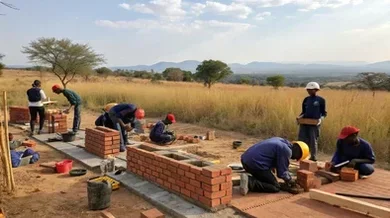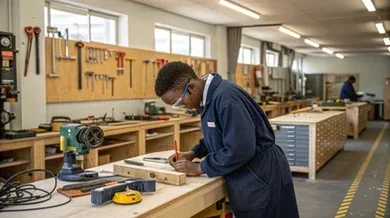
Apprenticeships are one of the best ways to enter skilled trades such as electrical work, plumbing, welding, carpentry, diesel mechanics, and more. But before you can start your training, you usually need to go through an interview. For many applicants, this is the most stressful part of the process—especially if you are not sure what to expect.
The good news is that trade-based apprenticeship interviews are usually structured, practical, and focused on your attitude, basic knowledge, and willingness to learn rather than advanced experience.
In this guide, we break down the most common apprenticeship interview questions, what employers are really looking for, and how you can prepare to increase your chances of being selected.
1. “Tell us about yourself.”
This is almost always the first question in any apprenticeship interview. It might sound simple, but it sets the tone for the rest of the conversation.
What they want to know:
- Your background
- Your interest in the trade
- Whether you are serious about the opportunity
How to answer:
Keep it short and focused on your career goals. Mention your education, any technical subjects you studied, and your interest in the specific trade.
Example answer:
“I recently completed Grade 12 with Mathematics and Physical Science. I’ve always been interested in how machines and electrical systems work, which is why I’m applying for this apprenticeship. I want to gain practical skills and build a long-term career in this trade.”
2. “Why do you want to become an apprentice in this trade?”
This question helps employers understand your motivation.
What they want:
- Genuine interest in the trade
- Long-term commitment
- Understanding of what the job involves
Good approach:
Avoid saying you just need a job. Instead, show passion for learning a skill.
Example answer:
“I chose this trade because I enjoy practical, hands-on work and problem-solving. I want to develop technical skills that will help me build a stable career and eventually become a qualified tradesperson.”
3. “What do you know about this trade?”
Whether you are applying for electrical, plumbing, or mechanical work, employers want to see that you understand the basics.
What they expect:
- Basic understanding of the job
- Awareness of safety rules
- Knowledge of tools or equipment used
Tip:
Do some research before your interview. Even a basic explanation can make a strong impression.
Example answer:
“An electrician installs, maintains, and repairs electrical systems in homes and buildings. Safety is very important because working with electricity can be dangerous, so protective equipment and proper procedures must always be followed.”
4. “Do you have any practical experience?”
Many apprenticeships do not require experience, but this question helps employers gauge your exposure.
What they want:
- Any workshop experience
- School projects
- Informal exposure (helping someone with repairs, etc.)
If you have no experience:
Be honest, but show willingness to learn.
Example answer:
“I don’t have formal experience yet, but I have done basic practical work in school and I am very eager to learn through hands-on training.”
5. “How do you handle working under pressure?”
Trade environments can be fast-paced, especially on construction sites or repair jobs.
What they are testing:
- Stress management
- Reliability
- Problem-solving ability
Example answer:
“I stay calm under pressure by focusing on one task at a time. I also make sure I follow instructions carefully to avoid mistakes. If I am unsure, I ask for guidance rather than rushing.”
6. “Are you comfortable working in physically demanding conditions?”
Apprenticeships in trades are physically active and sometimes challenging.
What they want:
- Physical readiness
- Realistic expectations
- Commitment to the job
Example answer:
“Yes, I understand that this work involves physical effort such as lifting, standing for long hours, and working in different environments. I am prepared for that and willing to adapt.”
7. “How do you feel about working as part of a team?”
Most trade work involves teamwork—whether on a construction site or in a workshop.
What they are looking for:
- Communication skills
- Cooperation
- Respect for others
Example answer:
“I enjoy working in a team because it allows us to learn from each other and complete tasks more efficiently. I believe good communication is important for safety and quality work.”
8. “What do you do if you don’t understand an instruction?”
This is a very important question in apprenticeship interviews.
What they want:
- Willingness to learn
- Respect for authority
- Safety awareness
Example answer:
“If I don’t understand an instruction, I would ask for clarification immediately. I would rather ask questions than make a mistake that could cause delays or safety issues.”
9. “Why should we choose you for this apprenticeship?”
This is your chance to sell yourself.
What they want:
- Confidence
- Motivation
- Reliability
Tip:
Focus on your attitude, not just your qualifications.
Example answer:
“You should choose me because I am hardworking, eager to learn, and committed to building a career in this trade. I am disciplined, willing to take instructions, and ready to put in the effort required to succeed.”
10. “Do you understand safety procedures in the workplace?”
Safety is one of the most important parts of any trade job.
What they want:
- Awareness of risks
- Basic safety knowledge
- Responsible attitude
Example answer:
“Yes, I understand that safety is very important in trade environments. Wearing protective gear, following instructions, and reporting hazards are all part of ensuring a safe workplace.”
Tips to Pass Your Apprenticeship Interview
Here are some practical tips to help you stand out:
1. Dress neatly
You don’t need formal business clothing, but clean, simple, and neat attire shows respect.
2. Be on time
Arriving early shows discipline and seriousness.
3. Do basic research
Know the basics of the trade you are applying for.
4. Show willingness to learn
Employers value attitude more than experience in apprenticeships.
5. Be honest
If you don’t know something, it is better to admit it than to guess incorrectly.
Final Thoughts
Apprenticeship interviews are not about being perfect—they are about showing potential. Employers want candidates who are teachable, responsible, and motivated to build a career in a skilled trade.
If you prepare for common questions like the ones above, you will feel more confident and increase your chances of success. Remember, every qualified artisan started as an apprentice, and this interview is your first step into that journey.