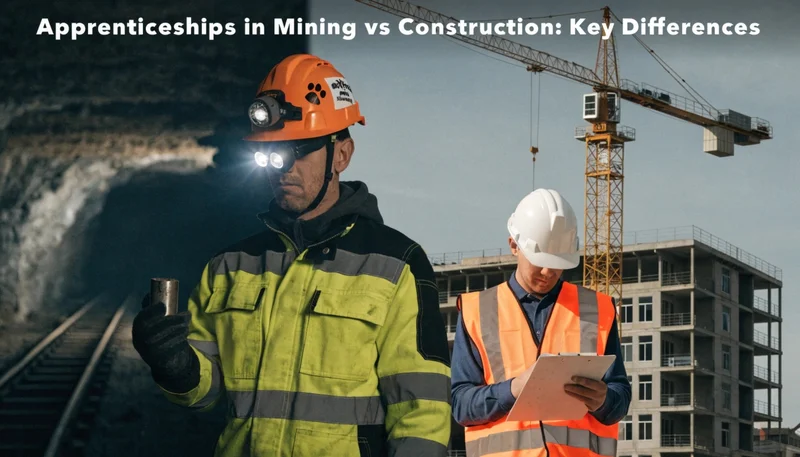
Choosing between a mining apprenticeship and a construction apprenticeship can be difficult, especially because both industries offer strong career opportunities, practical training, and good earning potential in South Africa. Both sectors also rely heavily on skilled artisans such as electricians, boilermakers, diesel mechanics, welders, fitters, and millwrights. However, the work environments, training experiences, risks, salaries, and long-term career paths can differ significantly.
If you are considering applying for an apprenticeship after matric or after completing an N2 or N3 qualification, understanding these differences can help you choose the path that matches your interests and career goals.
What Is an Apprenticeship?
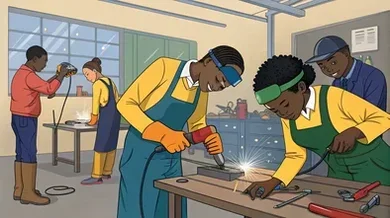
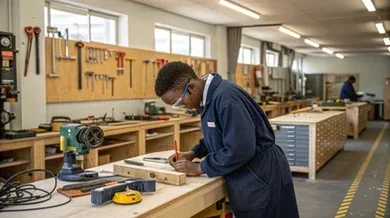
An apprenticeship is a structured training programme that combines classroom learning with hands-on workplace experience. Apprentices usually work under qualified artisans while completing technical training and preparing for a trade test. In South Africa, apprenticeships are common in engineering, mining, manufacturing, and construction industries.
Most apprenticeships last between two and four years depending on the trade and employer. During training, apprentices earn a stipend or salary while gaining practical skills.
Understanding Mining Apprenticeships
Mining apprenticeships are offered by mining companies, engineering firms, and equipment manufacturers involved in the mining sector. These programmes focus on maintaining and operating heavy industrial equipment used in mines and mineral processing plants.
Mining companies often train apprentices in trades such as:
- Diesel Mechanic
- Boilermaker
- Electrician
- Millwright
- Fitter and Turner
- Rigger
- Instrumentation Mechanician
Mining apprenticeships usually involve training on large machinery, underground systems, conveyor belts, drilling equipment, crushers, and processing plants.
Some apprentices work underground while others work on surface plants or maintenance workshops.
Understanding Construction Apprenticeships
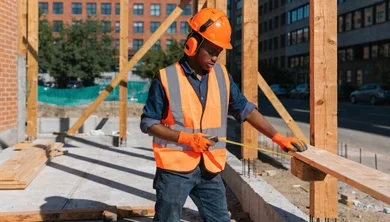
Construction apprenticeships focus on building infrastructure, homes, commercial buildings, roads, bridges, and industrial facilities. Apprentices in construction are trained to work on active construction sites where projects constantly change.
Common construction apprenticeship trades include:
- Plumbing
- Electrical
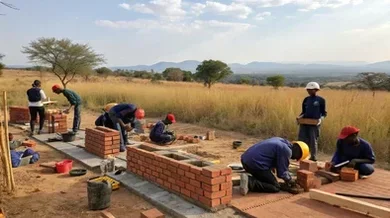
- Bricklaying
- Carpentry
- Welding
- Civil Construction
- Heavy Equipment Operation
Construction apprentices often work on building projects, roadworks, housing developments, and industrial construction projects.
Unlike mining, construction work is usually project-based, meaning workers may move between different sites regularly.
1. Work Environment
One of the biggest differences between mining and construction apprenticeships is the working environment.
Mining Environment
Mining environments are highly industrial and can be physically demanding. Apprentices may work:
- Underground
- In remote mining areas
- On processing plants
- Around large machinery
- In dusty or noisy environments
Mining shifts are often longer, especially on remote mine sites. Some mines operate 24/7, meaning shift work is common.
Safety is extremely important in mining because workers deal with explosives, heavy machinery, underground tunnels, and hazardous conditions.
Construction Environment
Construction apprentices usually work outdoors on building sites. Conditions can change depending on the project and weather.
Construction workers may work on:
- Residential homes
- Shopping centres
- Roads and bridges
- Office buildings
- Factories
Construction sites are also physically demanding, but the environment is usually more open than underground mining operations.
2. Type of Equipment and Skills
Mining apprentices typically work with highly specialised industrial machinery.
Examples include:
- Drill rigs
- Haul trucks
- Crushers
- Conveyor systems
- Underground machinery
- Earthmoving equipment
Mining apprentices develop strong technical maintenance and troubleshooting skills because production downtime can cost companies millions.
Construction apprentices, on the other hand, focus more on building structures and infrastructure. Their skills may include:
- Installing electrical systems
- Bricklaying
- Plumbing
- Reading construction plans
- Structural welding
- Concrete work
Construction skills are often more versatile for general infrastructure development.
3. Salary and Earning Potential
Mining apprenticeships are generally known for higher salaries and allowances compared to construction apprenticeships.
This is mainly because mining companies operate in harsh environments and require specialised technical skills. Some mining companies also provide:
- Housing allowances
- Shift allowances
- Medical benefits
- Overtime pay
- Remote site bonuses
Trades like boilermaking, diesel mechanics, and electrical work are especially well-paid in mining.
Construction apprenticeships may start with lower pay, but experienced artisans can still earn very good salaries, especially in large infrastructure projects or when self-employed.
4. Job Stability
Mining jobs can offer long-term stability if the mine remains operational for many years. Large mining companies often invest heavily in artisan development and employee retention.
However, mining can also be affected by:
- Commodity price changes
- Mine closures
- Strikes
- Economic conditions
Construction work is often project-based. Once a project is completed, workers may move to another site or employer.
This means construction apprentices may experience more movement between companies and locations.
5. Safety Risks
Both industries have safety risks, but mining is generally considered more dangerous due to underground operations and heavy industrial machinery.
Mining risks include:
- Rock falls
- Explosions
- Equipment accidents
- Dust exposure
- Underground hazards
Construction risks include:
- Falls from heights
- Scaffolding accidents
- Electrical hazards
- Machinery injuries
Because of these risks, both industries place strong emphasis on safety training.
6. Lifestyle Differences
Mining apprenticeships sometimes require workers to stay far from home for long periods, especially at remote mines.
Some workers follow rotational schedules such as:
- Two weeks on-site, one week off
- Seven days on, seven days off
Construction workers are more likely to work near cities and towns, depending on project locations.
If work-life balance and staying close to family are important to you, construction may feel more manageable.
7. Career Growth Opportunities
Both industries offer strong career growth.
Mining Career Paths
Mining apprentices can progress into:
- Senior artisan roles
- Supervisory positions
- Maintenance planning
- Engineering support
- Equipment specialist roles
Mining experience is also highly valued internationally.
Construction Career Paths
Construction artisans can become:
- Site supervisors
- Contractors
- Project managers
- Business owners
- Construction inspectors
Construction skills can also make it easier to start your own business later.
Which Apprenticeship Is Better?
There is no single answer because the best option depends on your personality, interests, and career goals.
A mining apprenticeship may suit you if you:
- Enjoy technical machinery
- Want higher earning potential
- Can handle remote environments
- Like industrial engineering work
A construction apprenticeship may suit you if you:
- Enjoy building and infrastructure
- Prefer working in cities or towns
- Want flexibility
- Are interested in starting your own business someday
Final Thoughts
Both mining and construction apprenticeships can lead to rewarding careers without requiring a university degree. South Africa continues to need skilled artisans in both industries, making these trades valuable career choices for young people.
Before applying, research the trade carefully, understand the working conditions, and think about the type of lifestyle you want in the future.
Whether you choose mining or construction, completing an apprenticeship can open doors to stable employment, strong earning potential, and long-term career growth.